Cheap borrowing saves lives: how falling interest rates expedited Britain’s mortality decline
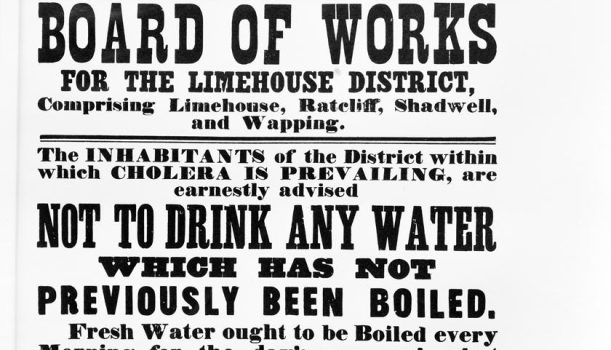
High borrowing costs hindered town investment in sanitation infrastructure in nineteenth-century England slowing Britain’s mortality decline.

High borrowing costs hindered town investment in sanitation infrastructure in nineteenth-century England slowing Britain’s mortality decline.
In 19th century Netherlands, early childhood mortality strongly increased in the summer and during heat waves and cold spells.
This post examines the patterns of mortality decline in the Greek urban centre of Hermoupolis and the pathways facilitating such decline.
Summary of the work of Lowes and Montero (2021) showing the lasting impact of colonial medical campaigns on current trust in medicine.
What drove the Dutch sanitary revolution? I draw on contemporary newspapers to argue that financial difficulties played a key role.
The industrial revolution was necessary to trigger investments in sanitary infrastructures, but not sufficient: better medicine and politics were essential.
Local health departments played an important role in reducing mortality during the early days of Puerto Rico’s little-known health miracle.
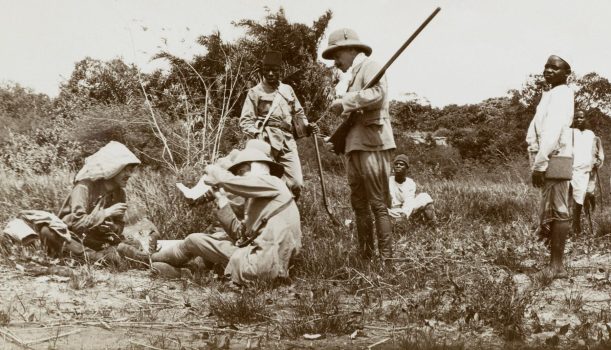
This post summarizes the research by Headrick (2014) on responses to sleeping sickness epidemics in colonial Africa.
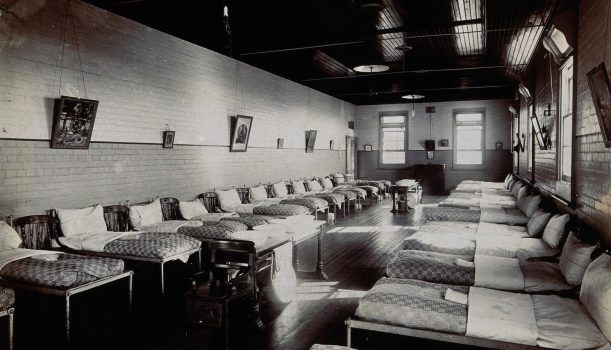
This post focuses on the development of mental health care in Germany around the turn of the 19th century.
This post focuses on how British and French colonial governments reacted to sleeping sickness epidemics and what motivated their approach.