Do We Learn from Natural Disasters? The 1877-1879 Drought and Famine in Northeast Brazil
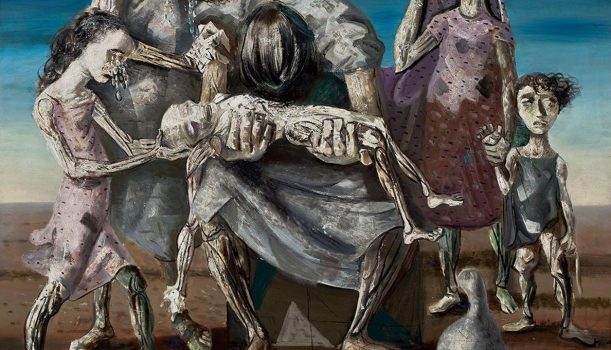
This piece shares recent research on the causes of the 1877-1879 famine in Brazil, narrowing on food prices and mortality.
This piece shares recent research on the causes of the 1877-1879 famine in Brazil, narrowing on food prices and mortality.
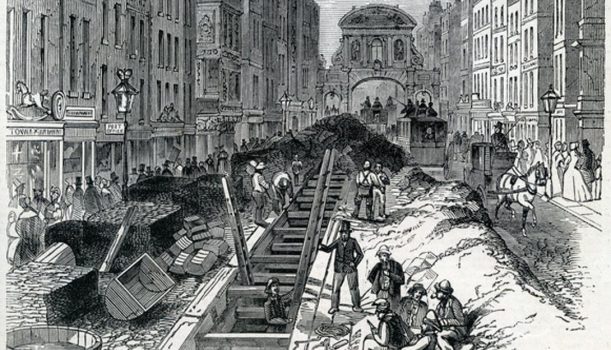
This post focuses on scientific and social factors to explain the rise of public health as a state priority during the 19th century.
In historical Finland, the vaccination law succeeded in improving smallpox vaccine uptake despite high hesitancy among the public.
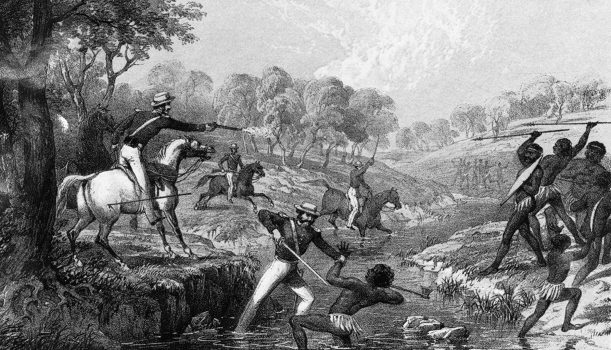
The persistent lower-life expectancy of Indigenous Australians reflects contemporary social failures and the impact of a violent colonial past.
This post argues that the introduction of penicillin in post-war Italy led to lower levels of regional health inequality.
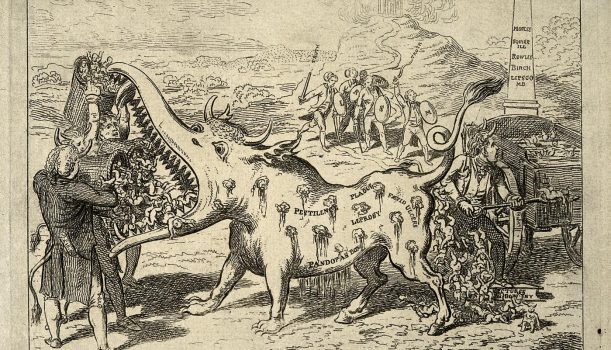
The introduction of tea in 18th century England resulted in an increase in consumption of boiled water, thereby reducing mortality rates.
Human rights are an authoritative moral and legal framework that can be used by governments to reduce socioeconomic health inequalities
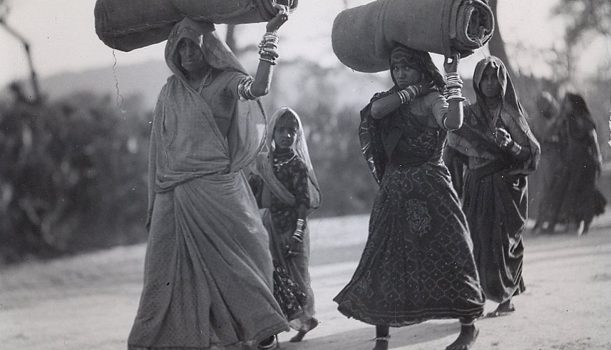
This post presents patterns of missing women in Colonial India. Male-biased sex ratios emerge most visibly after age 10.
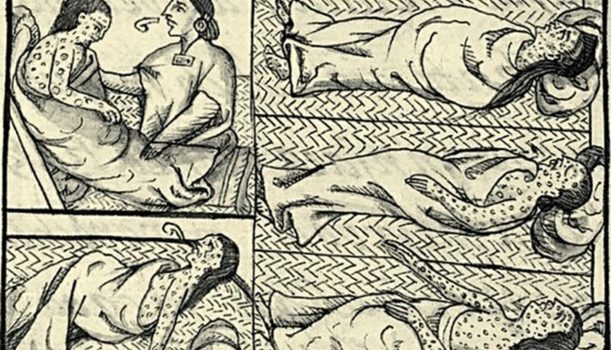
Post-contact depopulation in the New World resulted from the introduction of epidemic diseases to which Indigenous peoples were defenceless.
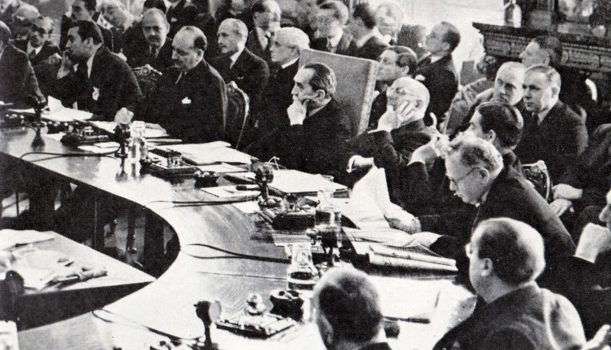
This article traces the origins of the current system of global health information and the foundations of current communications problems.