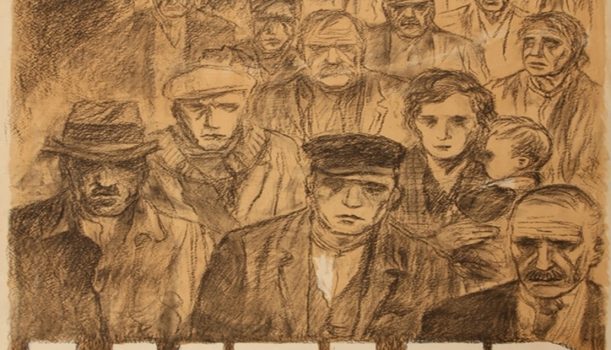
Worsening Health and Voting Patterns in Nazi Germany
Mortality increases appear to be an early-warning measure for political polarization, especially during times when people are suffering.
Mortality increases appear to be an early-warning measure for political polarization, especially during times when people are suffering.
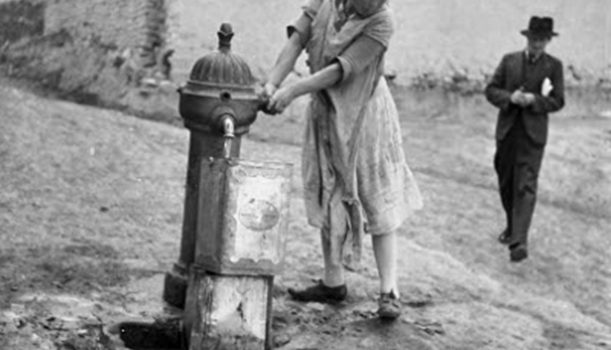
We study human development in Colombia since 1838 and observe a sustained increase in well-being, mostly driven by rising life expectancy due to broader access to public sanitary services.
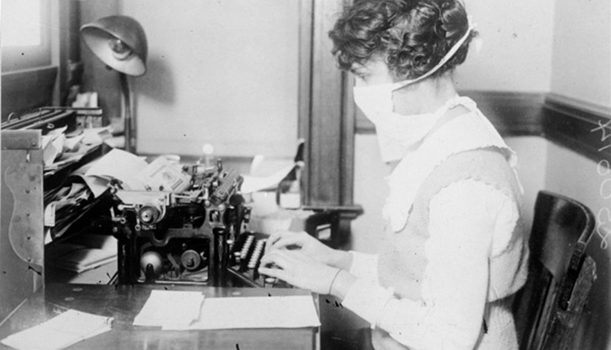
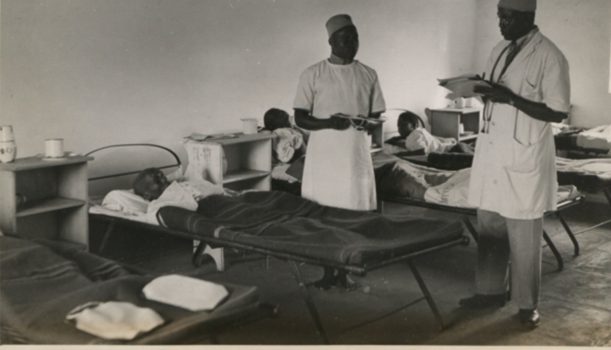
Using a novel measure of healthcare inequality, this research shows that the 1918 Influenza epidemic in South Africa exacerbated existing large racial inequalities in access to institutionalized medical treatment.
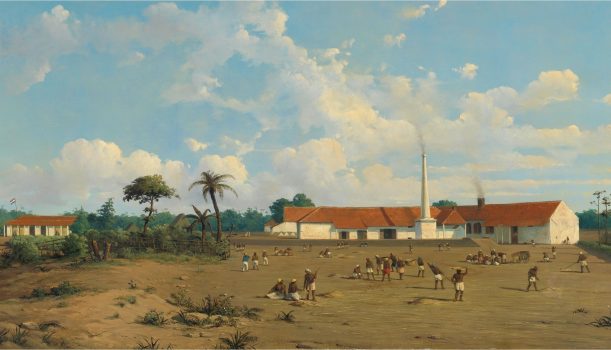
The Dutch Cultivation System in nineteenth-century Java used forced labor to cultivate cash crops. This contribution argues that this colonial institution had important negative effects on the local peasantry’s health.
Diverging trends in economic and health indicators complicate assessments of human welfare. This research applies a new metric to understand the evolution of human welfare in early-industrializing England.
Using newly collected evidence for colonial Zambia and Cameroon, we show how strong and lasting the effects of historical investments in education and healthcare are in explaining contemporary outcomes.
This contribution presents an innovative research project, titled Lifting the burden of disease, based on the individual level cause-of-death data for the city of Amsterdam between 1854 and 1940. These data create a unique historical laboratory in which we can study epidemiological change and its determinants.
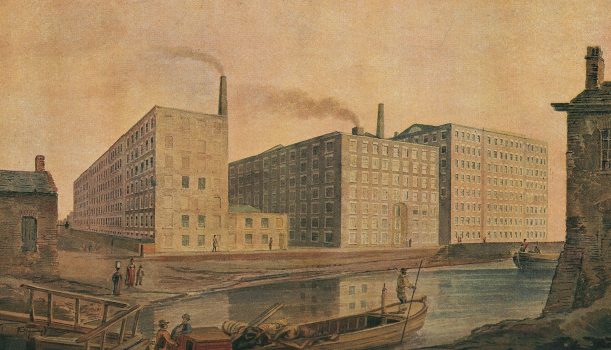
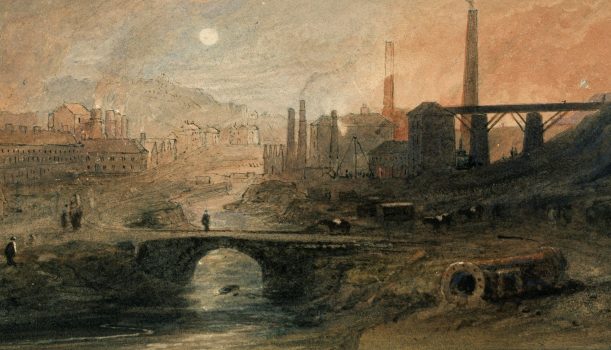
Does rapid urbanization cause rising mortality and worsening sanitation? Nineteenth-century Britain is often used as the classic exemplar of this problem, however we find little evidence that mortality rose in English cities during the Industrial Revolution.
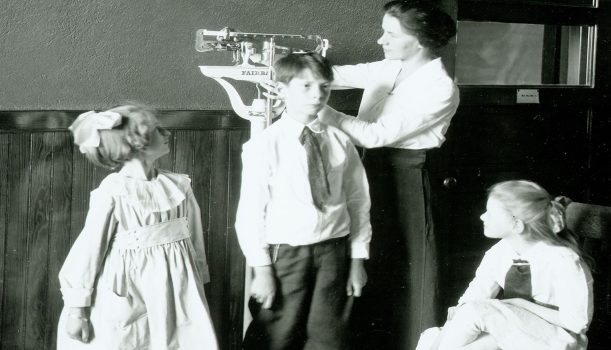
This paper examines the contribution made by studies of the history of human height to our understanding of the history of wellbeing and highlights the continuing importance of historical studies for the present day.
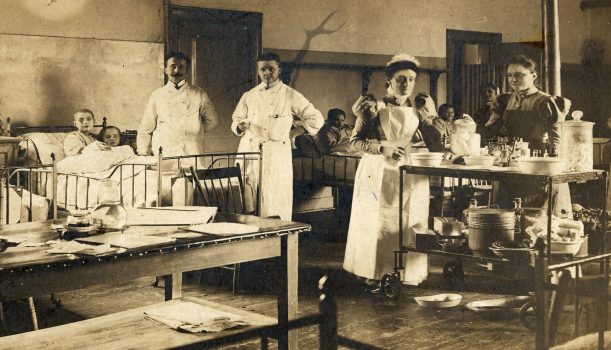
Using rich historical data from the London Foundling Hospital 1892-1919, I find that malnutrition did not affect whether individuals contracted infectious diseases, but it did influence sickness severity from measles.